Find Your Perfect Hair System
Find the right hair replacement solution with confidence. Our guide explains the differences between lace, skin/poly and hybrid hair systems, helping you understand comfort, breathability, appearance, attachment methods and maintenance so you can choose a system that suits your lifestyle.
Explore System Types
Understanding Hair Systems
What Is a Hair System?
A men's hair system is a non-surgical hair replacement solution designed to cover areas of thinning hair or hair loss. It consists of human hair, synthetic hair or a combination of both, attached to a specially constructed base that sits against the scalp.
Hair systems can be secured using specialised adhesive or tape, or in some designs, clips attached to existing hair. The attachment method depends on the type of system, the wearer's hair and individual preferences.
When properly selected and fitted, a hair system can blend with existing hair to create a natural-looking appearance. Unlike a surgical hair transplant, a hair system does not grow new hair. It requires regular cleaning, maintenance and eventual replacement.
How Does a Hair System Work?
A hair system works by attaching a specially designed hairpiece to the scalp or securing it to existing hair, creating the appearance of natural hair growth. The process generally involves several important stages.
1. Consultation and Assessment: The first step is identifying the area of hair loss, measuring the scalp and determining the desired hairstyle, hairline, colour and density.
2. Choosing the Base: A suitable base material is selected, such as lace, skin/poly or hybrid construction. Each offers different characteristics in terms of breathability, appearance, durability and maintenance.
3. Preparation and Fitting: The scalp and surrounding hair are prepared as required. The hair system is measured and, where necessary, trimmed to fit the intended coverage area.
4. Attachment and Styling: The system is secured using an appropriate attachment method, such as specialised tape, adhesive or clips. The hair is then cut, blended and styled to complement the wearer's appearance.
5. Maintenance and Replacement: Regular cleaning, appropriate hair-care products and periodic attachment maintenance help keep the system comfortable and looking its best. Hair systems also require eventual replacement as they experience wear.
Compare Hair System Types
Choosing the right hair system depends on your lifestyle, comfort preferences and desired appearance. Lace, Skin / Poly and Hybrid hair systems each offer different advantages in terms of breathability, natural-looking results, durability, attachment and maintenance.
Understanding these differences will help you make an informed decision and select the hair system that best suits your individual needs.
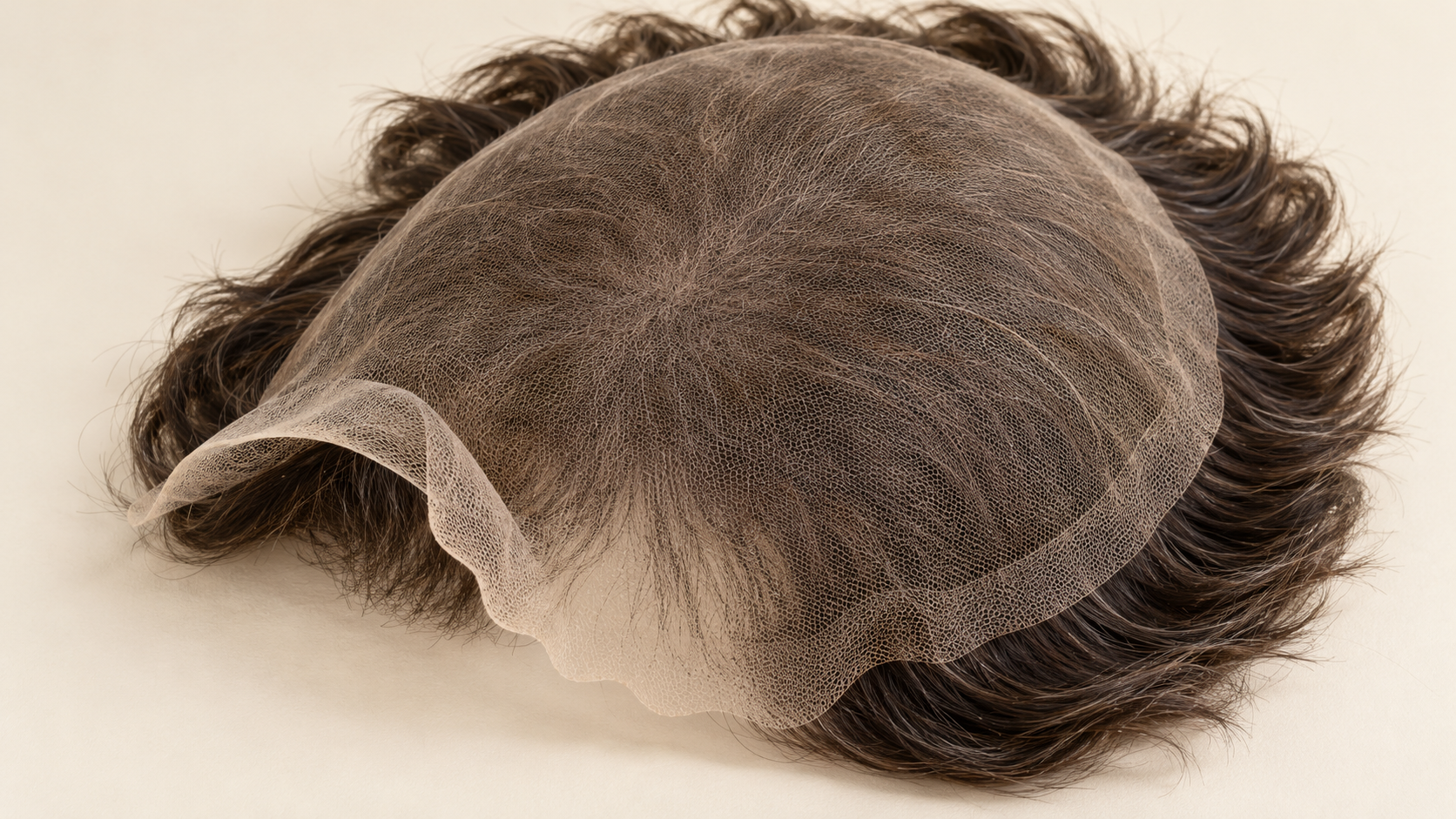
Lace Hair Systems
Lace hair systems feature a lightweight, breathable mesh base designed to provide airflow and a natural-looking hairline.
Key benefits: Excellent breathability, lightweight comfort and a realistic appearance when fitted correctly.
Best suited for: Men who prioritise airflow, comfort and a natural-looking front hairline.
Things to consider: Lace materials can be delicate and may require careful handling, cleaning and maintenance.
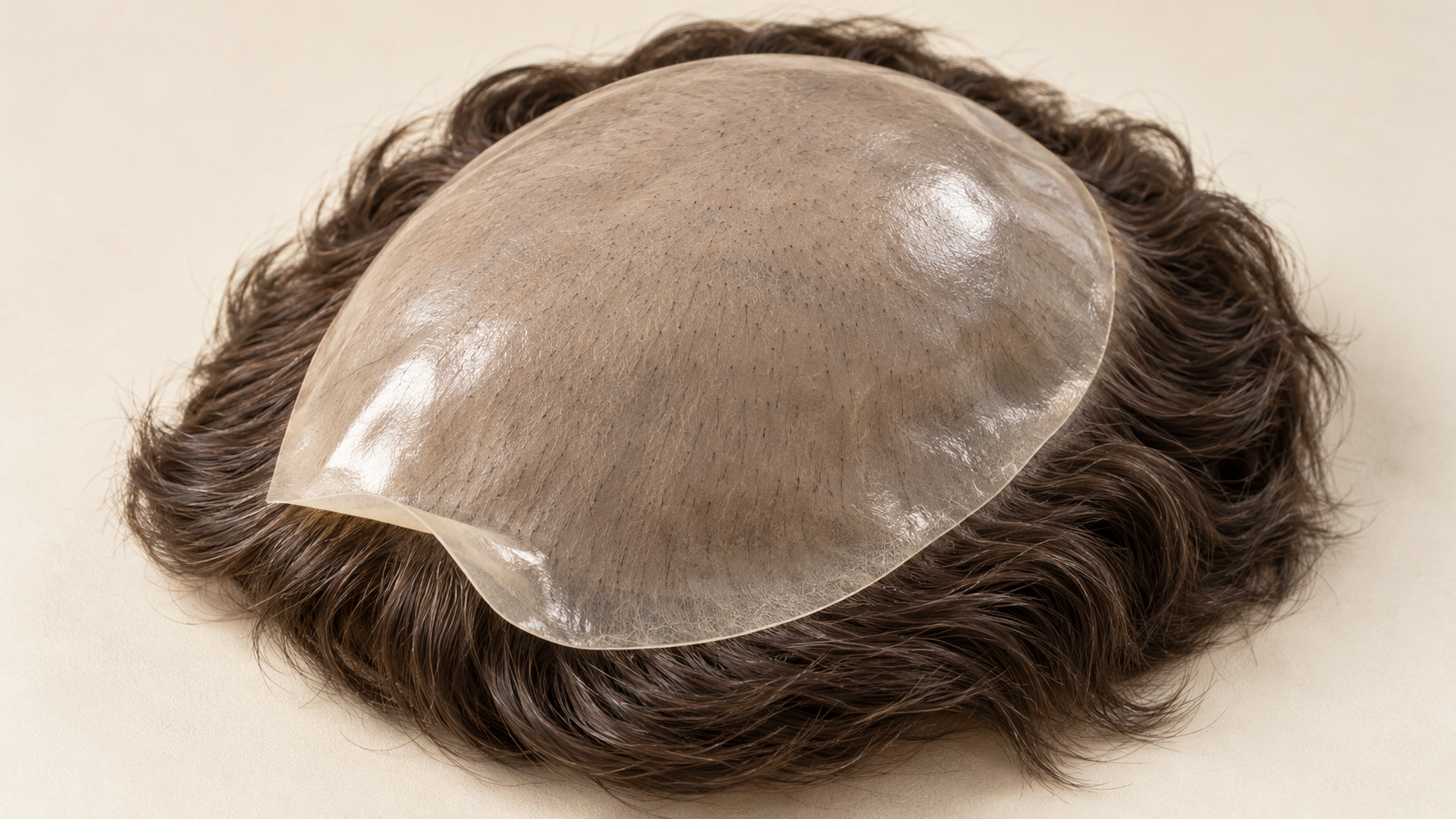
Skin / Poly Hair Systems
Skin / Poly hair systems use a thin polyurethane base designed to resemble the scalp and provide a smooth, natural-looking appearance.
Key benefits: Realistic scalp-like appearance, a smooth attachment surface and relatively straightforward cleaning of the base.
Best suited for: Men who prefer a smooth base and want a natural-looking scalp effect.
Things to consider: Poly bases generally offer less airflow than lace. Very thin versions may also require careful handling, while durability varies depending on the base thickness.
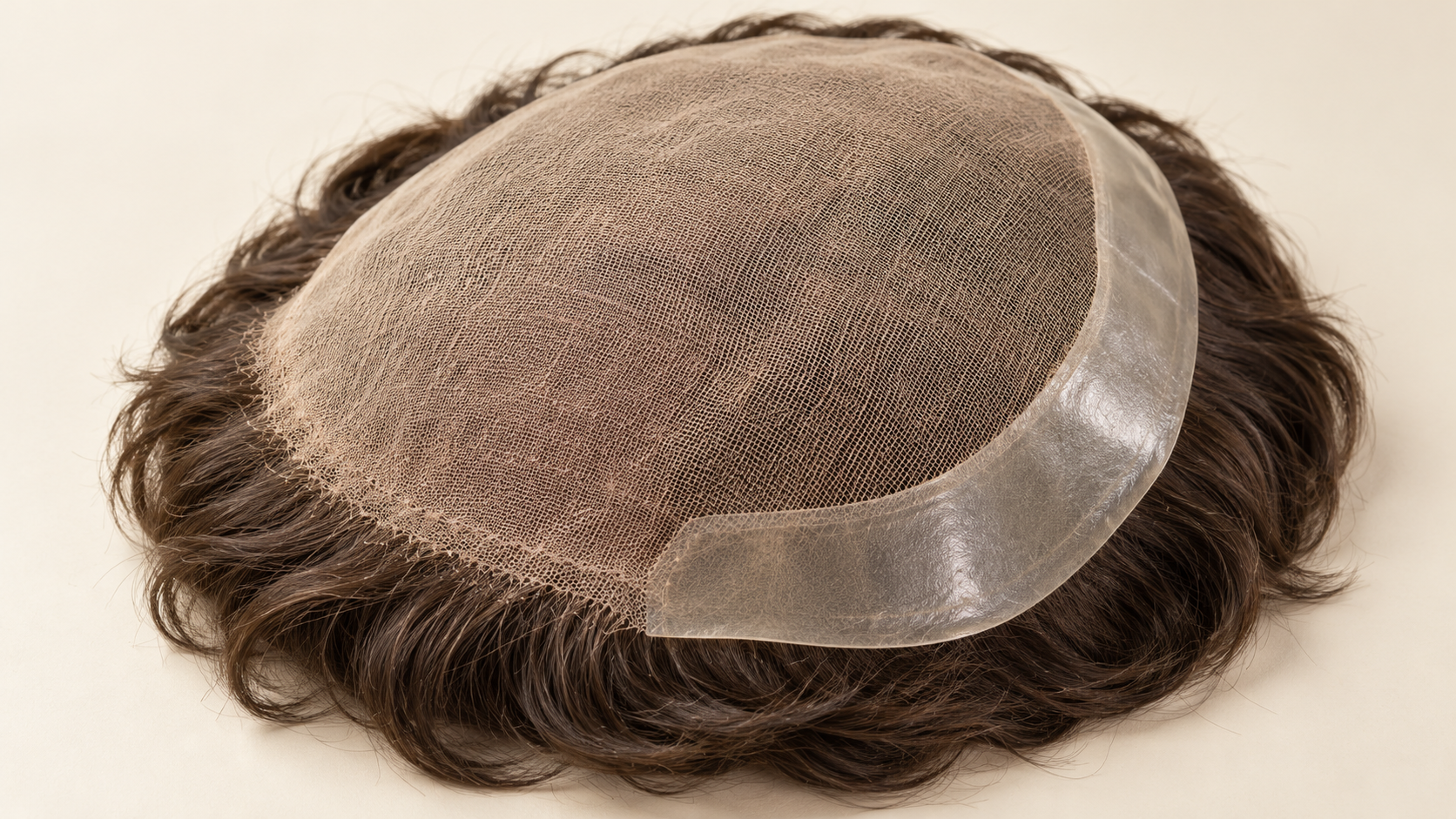
Hybrid Hair Systems
Hybrid hair systems combine different base materials, typically lace and polyurethane, to offer a balance of breathability, realistic appearance and attachment convenience.
Key benefits: Combines the breathable characteristics of lace with the smooth attachment surfaces of polyurethane, depending on the system's construction.
Best suited for: Men looking for a combination of natural appearance, comfort and flexible attachment options.
Things to consider: Breathability, durability and maintenance requirements vary according to the materials used and the placement of lace and polyurethane sections.
Choosing the Right Hair System
Selecting the right hair system involves more than simply choosing a hairstyle. Factors such as your scalp measurements, hair density, colour, texture, lifestyle and maintenance preferences all influence how natural, comfortable and practical your hair system will be.
Understanding these important considerations will help you select a hair system that complements your appearance, meets your daily needs and gives you confidence in your choice.
Quick Navigation — Find Your Topic
1. Choosing the Correct Base Size
The correct base size is essential for achieving a comfortable, secure and natural-looking fit. A hair system should cover the intended area of hair loss while blending smoothly with the surrounding natural hair.
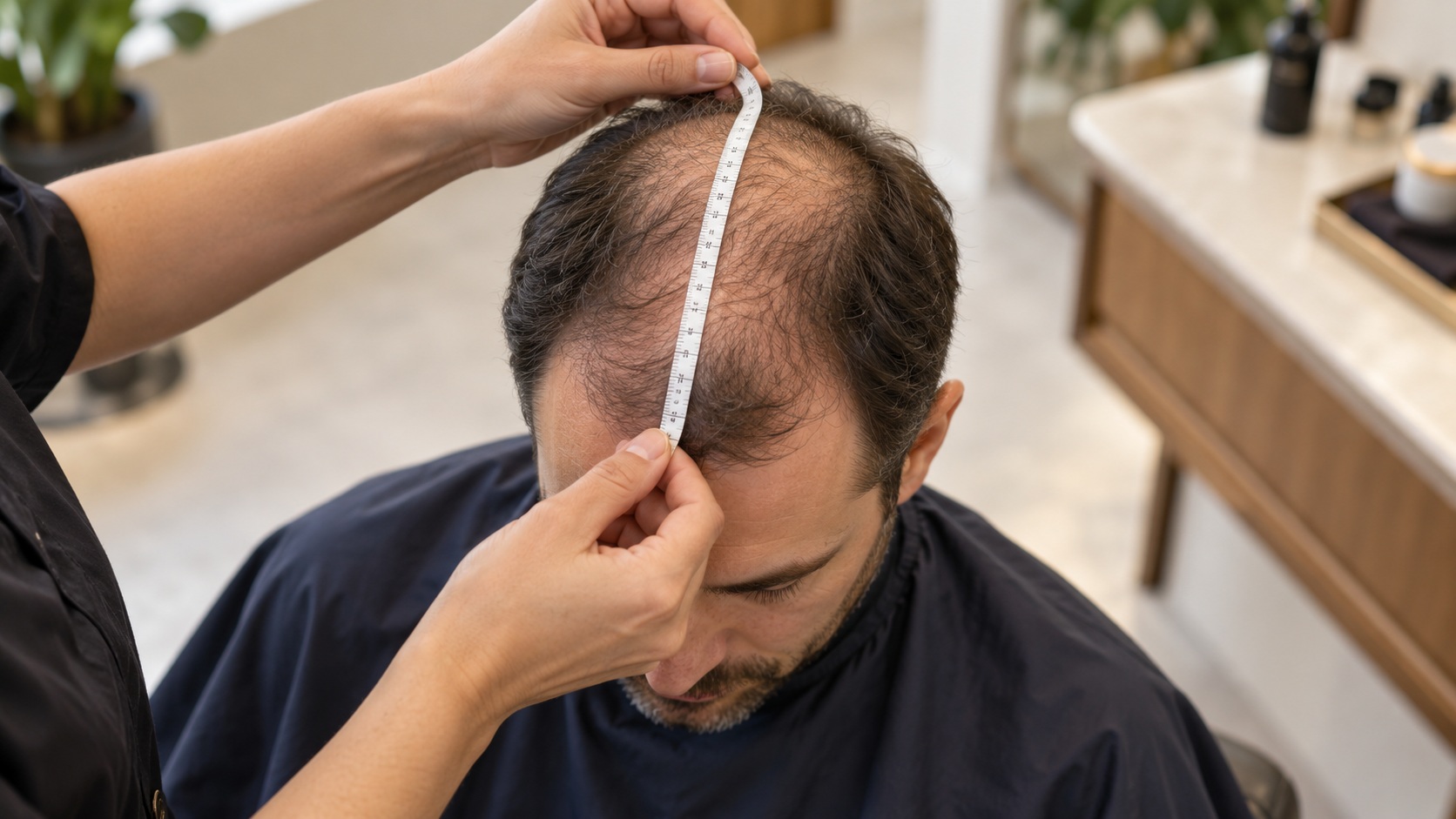
Measuring the Coverage Area: The length, width and shape of the area requiring coverage should be carefully measured. Hair systems are available in standard sizes, while some can be trimmed or custom-made to accommodate individual scalp measurements.
Understanding the Hairline: The position and shape of the front hairline should be considered when determining the base size. A properly positioned hairline contributes to a realistic appearance and should complement the wearer's facial features and age.
Avoiding Incorrect Sizing: A base that is too large may overlap existing hair or create unnecessary folds, while a base that is too small may leave areas of hair loss uncovered. Incorrect sizing can also make attachment and styling more difficult.
Professional Guidance: First-time wearers may benefit from professional assistance with scalp measurements, base selection and fitting to help achieve the best possible result.
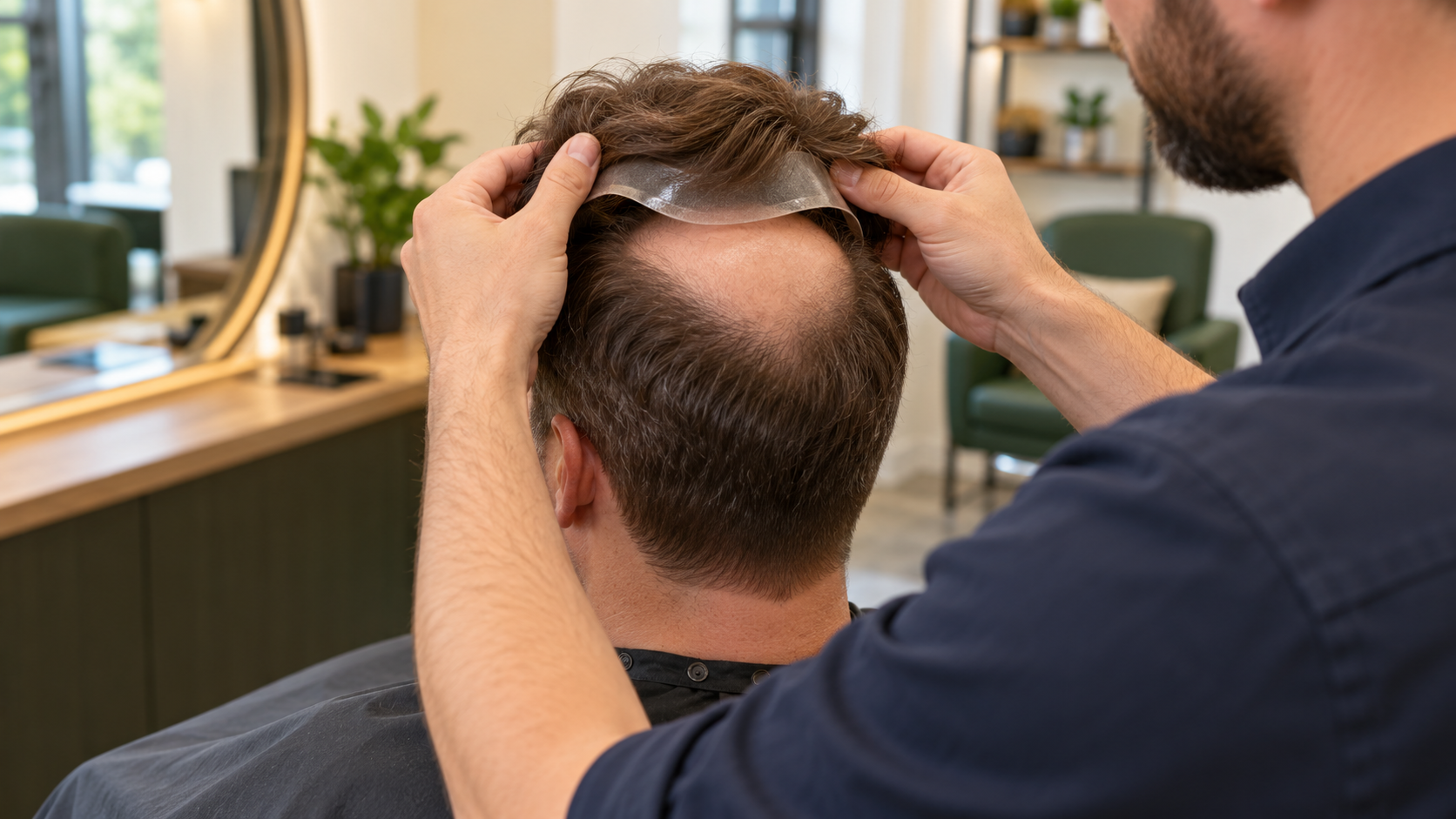
2. Choosing the Correct Hair Density
Hair density refers to the amount of hair present within a particular area of a hair system. Choosing an appropriate density is essential for achieving a natural-looking appearance that complements the wearer's age, facial features, hairstyle and existing hair.
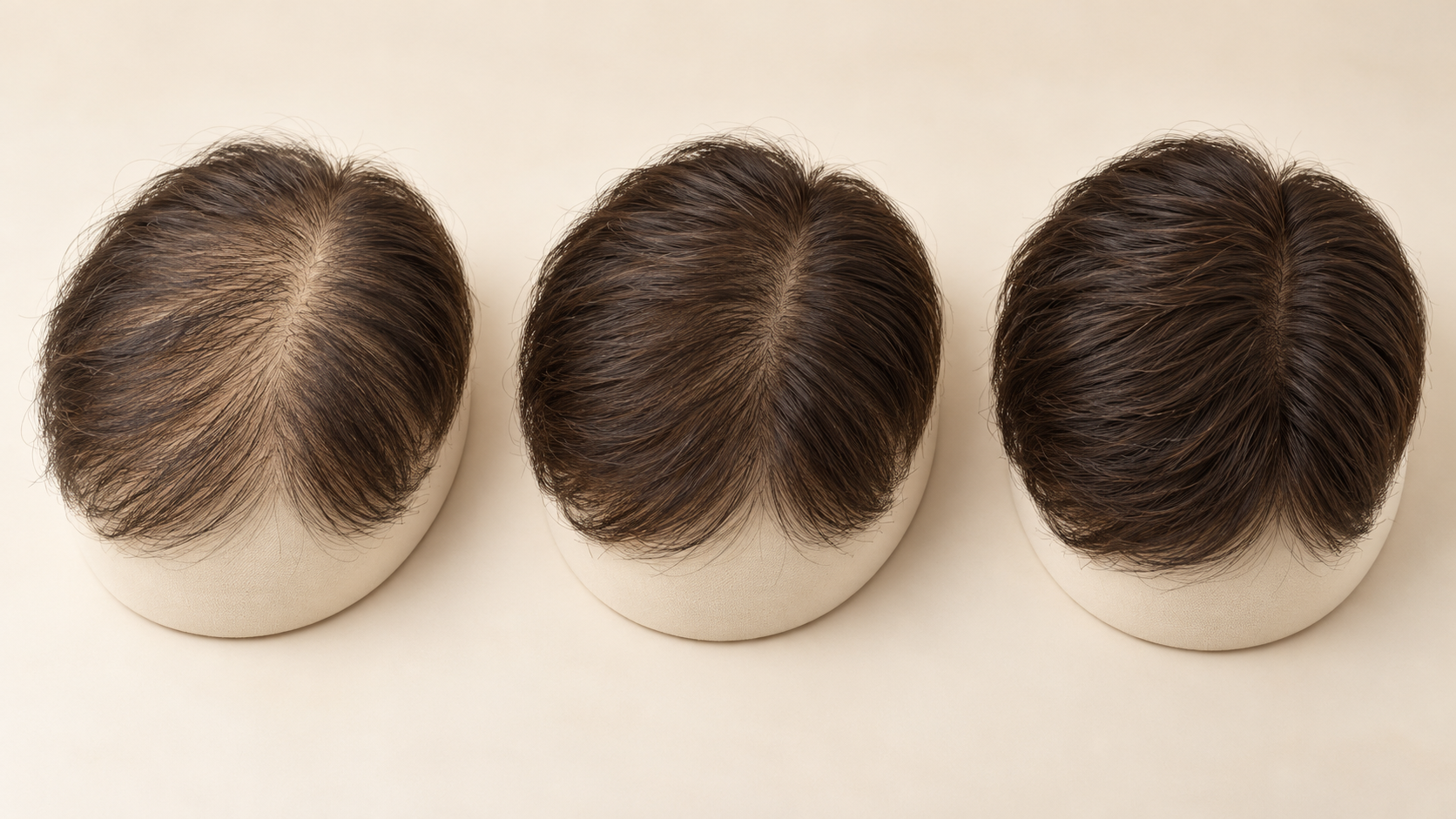
Illustrative comparison: light, medium and high density, from left to right. Actual appearance varies by system and styling.
Light Density: Provides a softer, less full appearance, with more of the underlying base or scalp potentially visible. Light density may suit individuals who naturally have finer or thinner hair or prefer a subtle appearance.
Medium Density: Offers a balance between hair coverage and natural-looking fullness. It is a common choice for men seeking a versatile hairstyle without excessive volume.
High Density: Provides a fuller, thicker appearance and may suit individuals with naturally dense hair or particular styling preferences. However, excessive density can make a hair system appear less natural, especially when it does not match the surrounding hair.
Matching Existing Hair: The density of a hair system should blend with the natural hair at the sides and back of the head. A significant difference between the system and surrounding hair can make the transition more noticeable.
Creating a Natural Hairline: A natural-looking front hairline often benefits from a gradual transition in density rather than an abrupt, heavily populated edge. The exact approach depends on the base design and desired hairstyle.
Important Consideration: Density labels such as light, medium and high are not always standardised between manufacturers. Customers should review the supplier's density specifications and, where possible, seek guidance before selecting a system.
3. Choosing the Correct Hair Colour
Choosing the correct hair colour is essential for achieving a natural-looking hair system that blends seamlessly with the wearer's existing hair. The selected colour should complement the natural hair at the sides and back of the head, as well as the individual's skin tone, age and personal preferences.
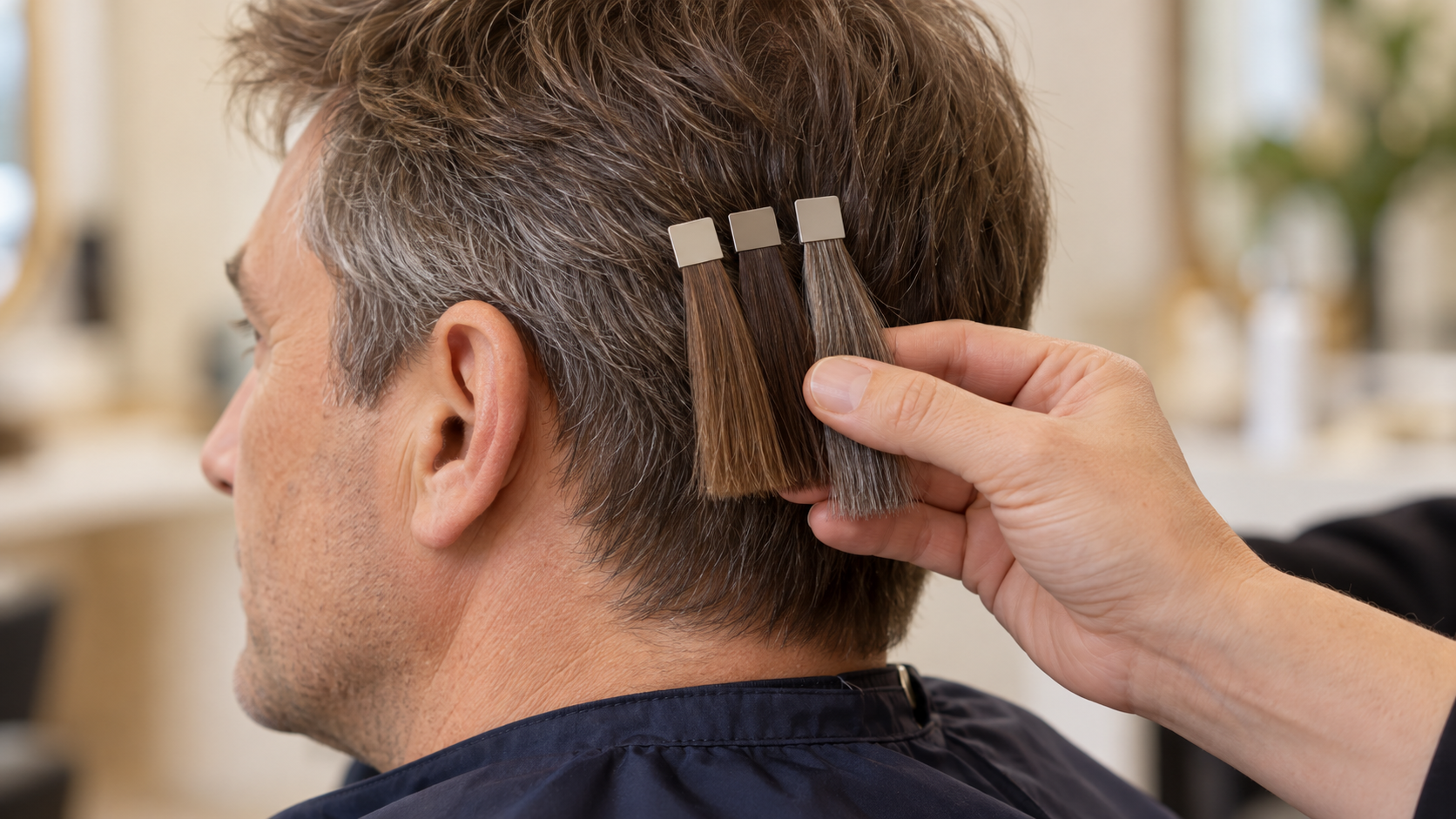
Matching Existing Hair: When selecting a hair system, it is important to match the colour of the natural hair as closely as possible. Hair colour should ideally be compared with the hair at the sides and back of the head, rather than relying solely on photographs or colour descriptions.
Understanding Hair Colour Tones: Hair colours may contain warm, cool or neutral undertones. For example, two shades of brown may appear similar but have different golden, reddish or ash tones. Selecting the correct undertone helps the hair system blend more naturally with existing hair.
Grey Hair and Natural Blending: For men who have some grey hair, choosing a hair system with an appropriate percentage of grey can create a more realistic and age-appropriate appearance. Grey blending can range from a small amount of grey throughout the system to a higher percentage, depending on the individual's natural hair.
Considering Lighting Conditions: Hair colour can appear different under natural sunlight, indoor lighting and artificial lighting. Whenever possible, hair colour samples should be assessed in natural daylight as well as normal indoor lighting to reduce the risk of selecting an unsuitable shade.
Hair Colour Samples and Swatches: Colour charts and physical hair samples are valuable when selecting a hair system. Digital photographs may not accurately represent the final colour because of differences in cameras, lighting and screen settings. Physical samples generally provide a more reliable comparison.
Coloured or Chemically Treated Hair: If the wearer's existing hair has been dyed, highlighted or chemically treated, the selected hair system should complement the current hair colour. Ongoing colour maintenance may be necessary if the natural hair changes shade over time.
Maintaining Hair Colour: Exposure to sunlight, washing, styling products and general wear may gradually alter the appearance of a hair system's colour. Using suitable hair-care products and following the manufacturer's care instructions can help preserve its appearance. Colour treatments should only be undertaken when appropriate for the system's hair material and construction.
Professional Guidance: Customers who are uncertain about choosing a suitable shade may benefit from consulting a qualified hair professional or supplying a natural hair sample to help achieve a closer colour match.
4. Choosing the Correct Hair Texture and Style
Hair texture and hairstyle play an important role in achieving a natural-looking hair replacement result. A hair system should complement the wearer's existing hair texture, facial features, personal style and daily grooming preferences. Selecting the correct texture and length also influences how easily the hair system can be styled and maintained.
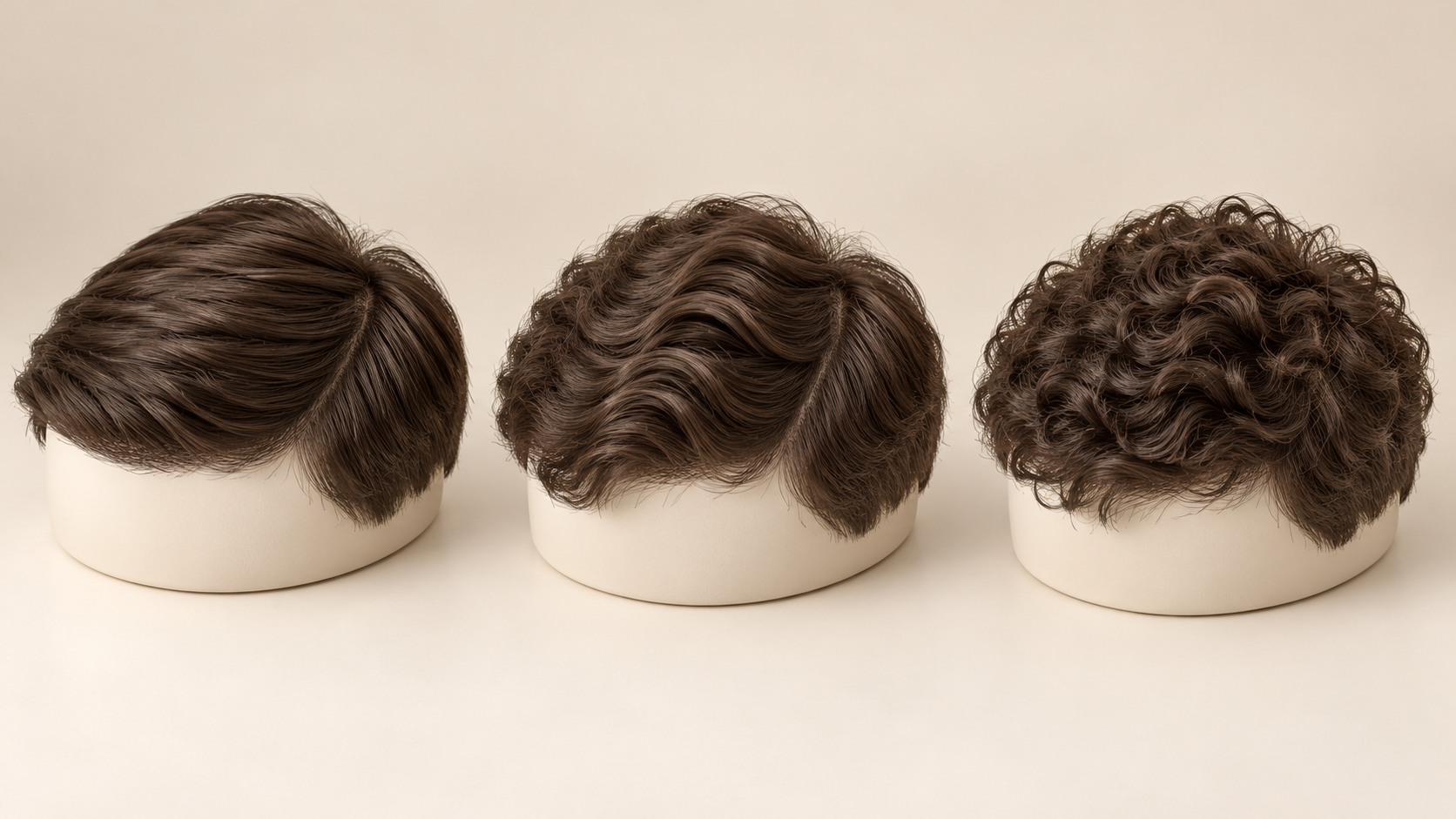
Illustrative examples: straight, wavy and curly textures, from left to right.
Straight Hair Systems: Straight hair provides a smooth appearance and can be suitable for various classic and contemporary hairstyles. It may be ideal for individuals whose natural hair is straight or who prefer a neat, controlled style.
Wavy Hair Systems: Wavy hair offers natural movement, texture and volume. This option may suit men who prefer a relaxed hairstyle or whose existing hair has a slight to moderate natural wave.
Curly Hair Systems: Curly hair systems provide defined texture and volume. Selecting the correct curl pattern is important for blending with existing curly hair. Curl tightness can vary considerably, so customers should carefully review the available curl specifications.
Matching Existing Hair Texture: The texture of the hair system should blend with the natural hair at the sides and back of the head. Significant differences in curl pattern, thickness or movement can make the transition between the system and existing hair more noticeable.
Choosing the Correct Hair Length: Hair systems may be supplied with longer hair that can be trimmed and styled to the desired length. Customers should consider their preferred hairstyle, existing hair length and whether a professional cut-in will be required.
Hair Direction and Styling Versatility: Hair systems can be constructed with different hair directions, including forward, backward or more flexible arrangements. The selected construction should support the intended hairstyle, particularly when wearing the hair away from the forehead or creating a defined parting.
Heat Styling and Hair Products: Not every hair system is suitable for the same styling techniques. Human hair and synthetic fibres may respond differently to heat, colouring and styling products. Customers should always follow the manufacturer's instructions regarding permitted heat temperatures and compatible products.
Professional Cutting and Blending: A professional stylist experienced in hair systems can help trim, blend and shape the hair to complement the wearer's face and existing hair. Correct cutting and blending can significantly improve the finished appearance.
Maintaining the Desired Style: Regular brushing, gentle washing, appropriate conditioning and suitable styling products can help maintain the intended hairstyle. Care requirements will depend on the hair material, texture, base construction and attachment method.
5. Lifestyle and Daily Activities
A person's lifestyle and daily activities play an important role in determining which hair system will be the most comfortable, practical and suitable for long-term wear. Factors such as physical activity, perspiration, climate, sleeping habits and personal grooming routines should all be considered when selecting a hair system and attachment method.
Exercise and Physical Activity: Men who regularly participate in gym training, running, cycling or other physical activities should consider a hair system that offers suitable comfort, ventilation and attachment security. Lightweight, breathable lace systems may be beneficial for individuals who perspire frequently, although suitability depends on the specific construction and attachment method.
Perspiration and Scalp Moisture: Excessive perspiration can affect the performance of certain adhesives and tapes, potentially reducing attachment longevity. Individuals who experience significant scalp perspiration may require attachment products formulated for their needs, together with a suitable cleaning and maintenance routine.
Swimming and Water Activities: Some hair systems can be worn during swimming, provided the base and attachment method are suitable. However, chlorine, salt water and prolonged moisture exposure may affect the hair fibres, base material and adhesive bond. Swimming should only be undertaken once the attachment has reached the manufacturer's recommended curing time, and appropriate aftercare is essential.
Warm and Humid Climates: Individuals living in warm or humid environments may prioritise lightweight construction and breathability. Lace systems generally provide greater airflow than full polyurethane bases, although the comfort and durability of each system depend on its specific design.
Sleeping with a Hair System: Many attached hair systems are designed for extended wear, including sleeping. Friction against pillows can contribute to tangling, matting and hair wear. A smooth pillowcase, gentle detangling and appropriate nighttime hair care may help reduce unnecessary friction.
Daily Work and Professional Activities: Customers should consider whether their workplace involves physical labour, outdoor exposure, frequent use of headwear or prolonged periods in warm conditions. A suitable system should accommodate these activities without unnecessary discomfort or excessive maintenance.
Choosing the Correct Attachment Method: Hair systems may be secured using specialised tapes, liquid adhesives or clips, depending on the system design and the wearer's existing hair. Each option has different advantages and maintenance requirements. The chosen attachment method should be compatible with the base material, scalp condition and expected activities.
Scalp Sensitivity and Skin Health: Individuals with sensitive skin or a history of reactions to adhesives should take additional care when selecting attachment products. Persistent itching, redness or irritation should not be ignored. Adhesive use should follow manufacturer instructions, and professional advice may be necessary when sensitivity occurs.
Maintenance and Lifestyle Compatibility: A more active lifestyle may require more frequent scalp cleaning, attachment checks and general maintenance. Customers should choose a system and care routine that they can realistically maintain.
Professional Guidance: A hair-system specialist can assist customers in selecting an appropriate combination of base construction, attachment method and maintenance routine based on their lifestyle and individual requirements.
6. Maintenance Requirements and Long-Term Care
Proper maintenance is essential for keeping a hair system looking natural, feeling comfortable and performing as intended. Regular cleaning, correct attachment care and appropriate styling products can help extend the usable life of a hair system. Maintenance requirements vary according to the base material, hair type, attachment method and individual lifestyle.

Regular Cleaning and Washing: Hair systems should be cleaned using products suitable for their specific hair fibres and base construction. Washing frequency depends on perspiration, styling-product buildup and the manufacturer's recommendations. Excessive washing or harsh products may contribute to dryness, tangling or premature wear.
Scalp Hygiene: Keeping the scalp clean and healthy is particularly important for individuals using adhesive or tape attachments. During maintenance, the scalp should be gently cleaned and allowed to dry appropriately before reattachment. Adhesives should not be applied to irritated or damaged skin.
Adhesive and Tape Maintenance: Attachment products require periodic inspection, removal and replacement. The interval depends on the product, scalp oils, perspiration, temperature and daily activities. Always follow the manufacturer's instructions for application, removal and recommended wear periods.
Conditioning and Moisture Management: Hair systems, especially those made with processed human hair, may require suitable conditioning products to help maintain softness and manageability. Products should be applied according to the manufacturer's instructions, taking care to avoid buildup or weakening the attachment.
Brushing and Detangling: Gentle brushing helps prevent knots, tangles and unnecessary hair shedding. A suitable wide-tooth comb or recommended detangling brush should be used, particularly on longer or curly systems. Avoid excessive pulling near the base.
Heat Styling and Product Compatibility: Human hair and synthetic hair systems have different styling requirements. Excessive heat, unsuitable chemicals and harsh styling products can damage the fibres or base. Always confirm whether the system is heat-safe before using heated styling tools.
Sleeping and Daily Protection: Friction from pillows, hats and everyday activities may contribute to tangling and wear. Gentle nighttime hair care and appropriate protective habits can help preserve the appearance of the system.
Storage and Handling: Removable hair systems should be cleaned and stored according to the manufacturer's guidance, ideally on a suitable stand or form that helps maintain their shape. Avoid direct sunlight, excessive heat and unnecessary tension on the base.
Expected Lifespan: Hair systems have a limited usable lifespan. Durability varies significantly according to base thickness, construction, hair quality, attachment method, frequency of wear and maintenance habits. Very thin bases may offer a realistic appearance but can require more frequent replacement. Customers should consult the product specifications rather than assume that every system will last for the same period.
Signs That Replacement May Be Necessary: Excessive shedding, significant base damage, persistent tangling, deterioration in hair quality or an inability to achieve a secure, comfortable fit may indicate that replacement is required.
Professional Maintenance: Customers may benefit from periodic professional cleaning, attachment servicing, trimming and styling, particularly when using a permanently attached or extended-wear system.
Developing a Maintenance Routine: Choosing a hair system involves considering the time, products and ongoing costs required to maintain it. A realistic maintenance routine can help customers enjoy a more comfortable and consistent wearing experience.
Need Help Choosing Your Hair System?
Choosing a hair system involves balancing fit, appearance, lifestyle and ongoing care. If you’re unsure where to start, contact us for help narrowing down your options.
Get Help Choosing